Environmental data
Hotel environmental data: start with your utility bills
Organise hotel energy, water and waste records with periods, units and clear ownership. A practical starting point for traceable environmental data.
The starting point
Start with one property and a defined period. Keep every value connected to its source document, unit of measurement and the person who checked it.
1. Set the boundary before collecting documents
An environmental data request often starts a search through email inboxes. First, write down three decisions: which property, which period and which activities are included. A folder full of invoices cannot resolve differences in scope.
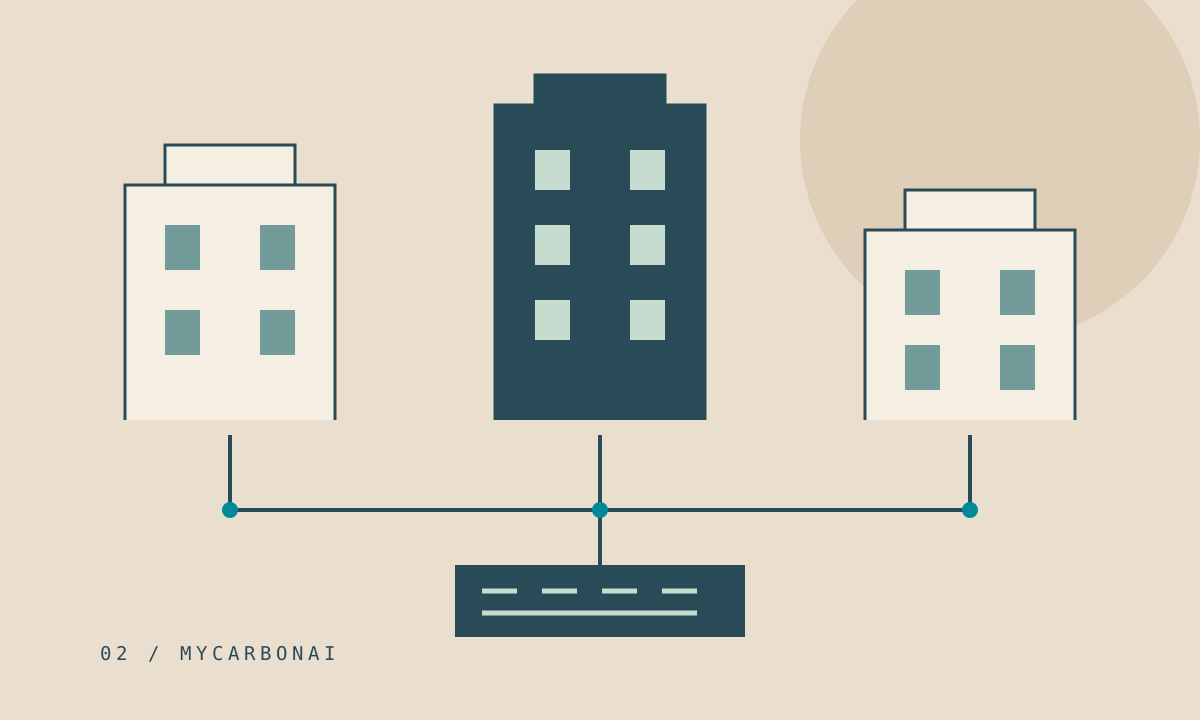
Choose a continuous period and identify the meters serving the hotel. Record whether the restaurant, laundry or spa share the same contracts. If a meter also supplies another business, flag that limitation. Do not present its total as hotel-only consumption without a documented allocation rule.
2. Keep the fields that lead back to the source
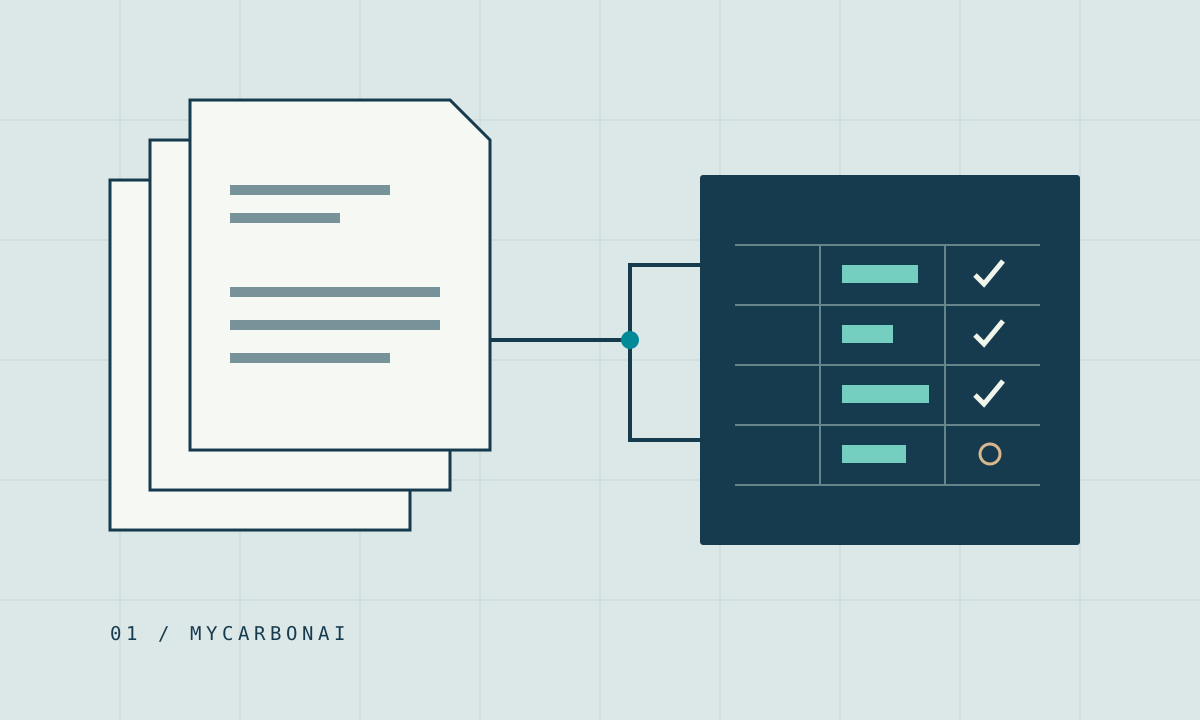
Create a record for each document or consumption line. The test is simple: can another person find where this number came from? Keep the original file and give it a stable reference in your spreadsheet.
- Property, supplier and meter or contract reference.
- Start and end of the consumption period, as well as the invoice date.
- Quantity, unit of measurement and actual or estimated reading.
- Document reference, collection owner and review status.
3. Separate consumption, cost and adjustments
The amount paid does not replace consumption. Two bills with the same cost may cover different quantities because of tariffs, taxes or adjustments. Keep euros and kWh in separate fields. Do the same for water in m³ and waste in the unit stated on the record.
A credit note or adjustment may correct an earlier invoice. Check that relationship before adding totals. A missing bill is not zero consumption: mark the information as missing and give someone responsibility for resolving it.
4. Test the process on one month
Illustrative example: an invoice issued in February covers consumption from 20 December to 19 January. Assigning it entirely to February may distort a monthly comparison. Preserve the original interval and document any allocation between months.
At close, one person collects the records and another checks periods, units and duplicates. When a value changes, retain the original and explain the correction. This small history helps answer later questions without rebuilding the work.
What this first collection should deliver
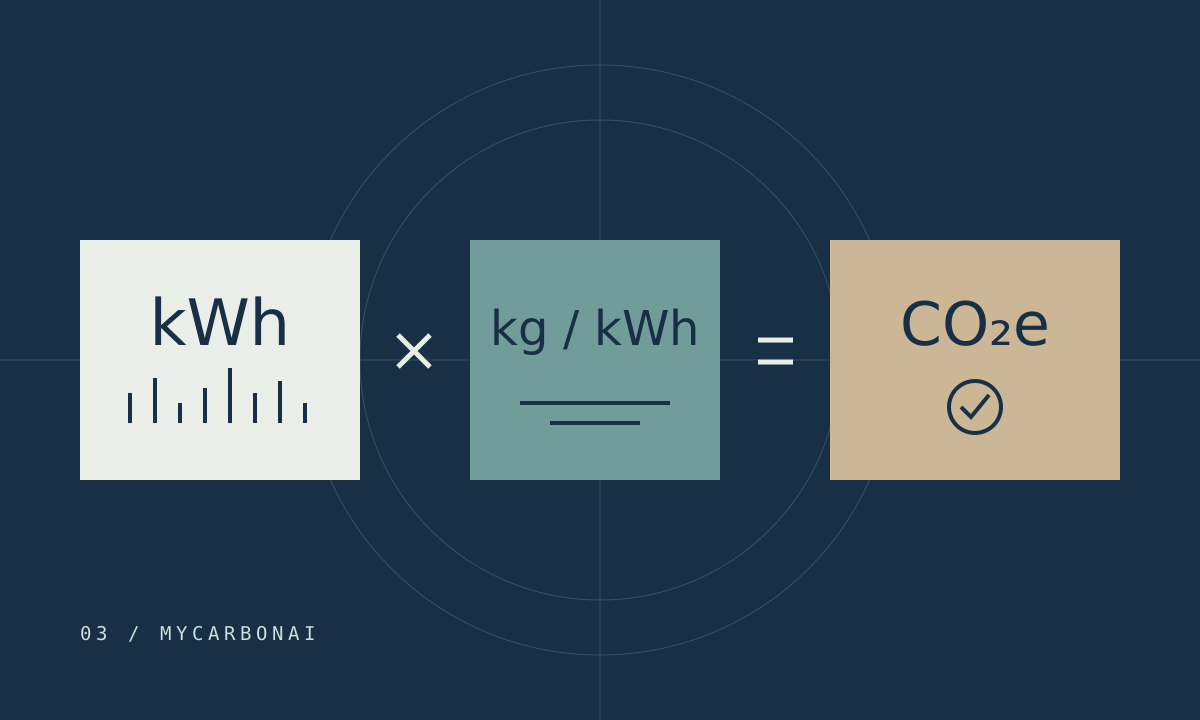
The output is a set of traceable consumption records and an explicit list of gaps. It is not yet a carbon footprint, certification or verified report. Keeping that distinction clear lets the team deliver useful information without overstating what the documents support.
For a sector reference, HCMI is a carbon measurement methodology for hotels. Read its requirements before moving to calculations. The MyCarbonAI checklist helps identify what your team already has and what still needs collecting.
References and further reading
Original editorial guidance from MyCarbonAI. Numerical examples are illustrative. This guide does not certify environmental performance.
What is missing from your hotel’s data?
Map the gaps with our ten-question checklist before starting the next report.
Open checklistDiscuss your data with us